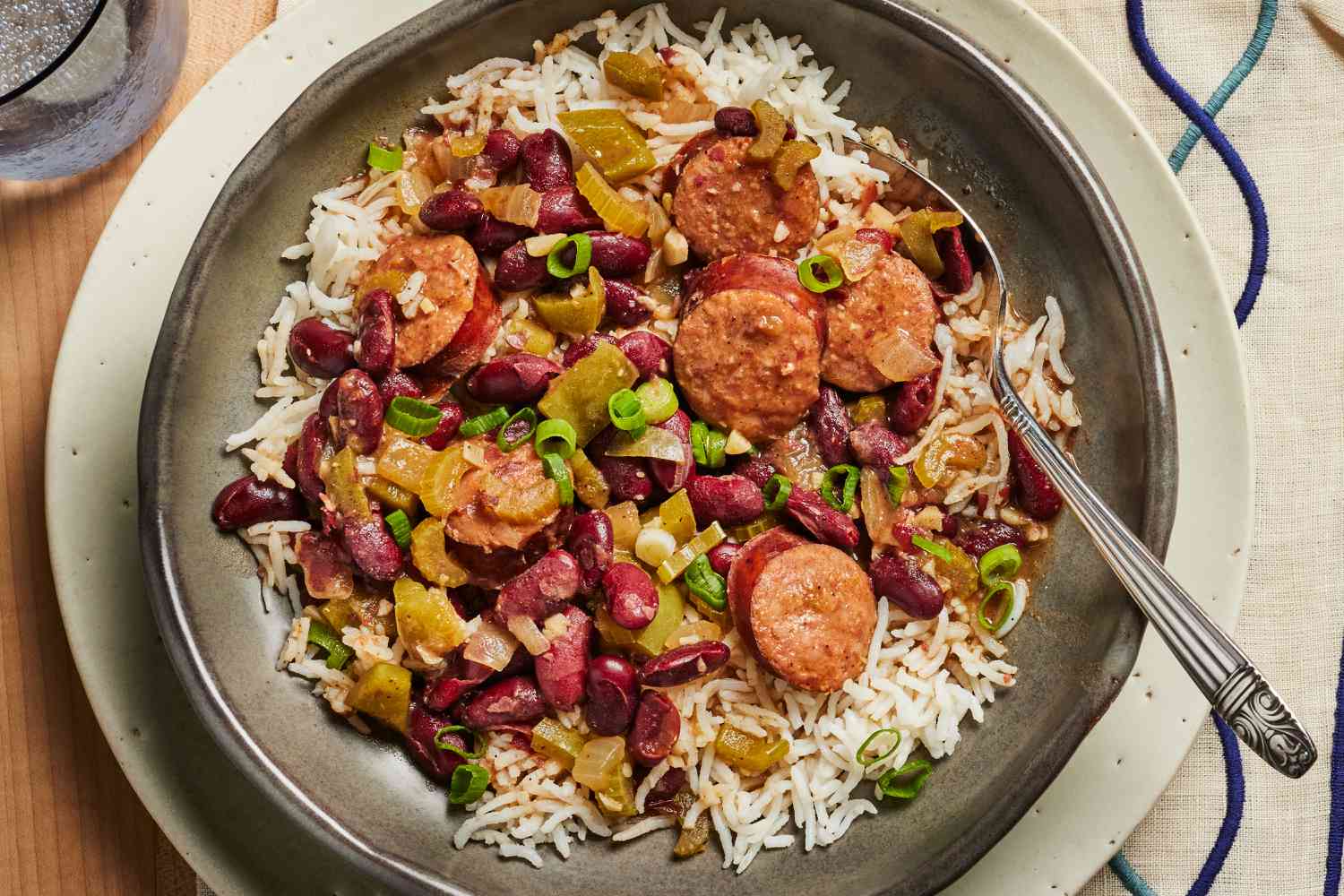
New Orleans Red Beans and Rice: A Historic Monday Tradition
In the vibrant, culinary heart of New Orleans, where jazz notes float through humid air and every meal tells a story, one dish reigns supreme on Mondays: red beans and rice. More than just a simple meal, this hearty, creamy concoction embodies centuries of history, a resilient culture, and the spirit of community that defines the Big Easy. Picture a Monday afternoon across the city: the aroma of simmering beans, fragrant spices, and savory sausage wafting from kitchens, a timeless tradition passed down through generations.
This iconic Creole dish isn't merely a weeknight staple; it's a beloved ritual, a culinary anchor that roots families and friends in a shared heritage. From bustling restaurant tables to intimate home gatherings, a pot of red beans and rice on Monday is as quintessential to New Orleans as Mardi Gras itself.
The Deep Roots of a Creole Classic: From Wash Day to Weeknight Hero
The story of red beans and rice is as rich and complex as its flavor profile, deeply intertwined with the multicultural tapestry of New Orleans. Its origins trace back to the 18th and 19th centuries, reflecting a remarkable blend of African, French, Spanish, and Native American influences.
At its core, the dish's foundation lies in West African cooking techniques. Enslaved Africans brought with them the tradition of combining beans with rice, a pairing celebrated across the African diaspora for its nutritional completeness and affordability. This combination provided sustenance and energy, essential for demanding labor.
French settlers contributed the use of kidney beans and the slow-simmering methods that coax deep flavors from humble ingredients. Spanish and Acadian elements introduced a vibrant palette of spices and savory sausages, transforming the dish into the Creole classic we recognize today. During the antebellum period, on sugar plantations and in urban households, red beans and rice began to solidify its place in the regional cuisine.
The transition to a definitive Monday ritual in New Orleans was born out of practicality. Mondays were traditionally "wash days" – a time-consuming chore involving hand-washing clothes. A pot of red beans could be set to simmer unattended over low heat for hours, allowing families to focus on laundry. Often, this meant utilizing leftover ham bones from Sunday supper, adding a smoky depth and ensuring no part of the meal went to waste. This resourceful approach made Red Beans and Rice: From Wash Day Ritual to Weeknight Hero – a dish that evolved from a necessity into a cherished cultural touchstone.
Crafting the Perfect Pot: Ingredients and Techniques
At the heart of any great New Orleans red beans and rice lies a careful selection of ingredients and a patient hand. The dish typically features slow-cooked red kidney beans (or smaller red beans) simmered to perfection with a symphony of flavors.
- The Holy Trinity: This foundational trio of Creole cuisine—onions, celery, and green bell peppers—forms the aromatic base, providing a sweet and savory backbone to the dish.
- Garlic: Generous amounts of minced garlic add pungency and depth.
- Sausage: Traditionally, local, hand-made Louisiana andouille sausage is the preferred choice, lending a distinctive smoky, spicy kick. However, a good quality smoked sausage can also be used effectively. For our vegetarian friends, plant-based sausage provides an excellent substitute, ensuring everyone can partake in this beloved tradition.
- Seasonings: Bay leaves, thyme, and a touch of cayenne pepper for warmth are essential. Many families also add their secret blend of spices, but these classics are non-negotiable.
- Beans: While traditionally made with dry red beans, modern recipes often employ canned red beans (or kidney beans) for a quicker, more convenient preparation. Whether using dry or canned, the goal is a tender, creamy texture.
- Stock: Chicken stock or vegetable stock (for vegetarian versions) provides a flavorful liquid base.
One of the defining characteristics of authentic red beans and rice is its luxurious, velvety creaminess. This isn't achieved by adding cream, but rather by a clever technique: mashing a portion of the softened beans against the side of the pot as they simmer. As the starches break down, they naturally thicken the sauce, creating that signature, irresistible texture. This simple step is key to Achieving Velvety Creamy Red Beans and Rice, Fast, transforming a bean stew into a rich, comforting experience.
Tips for Your Home Kitchen:
- Sautéing the Trinity: Don't rush this step. Cook the onions, celery, and bell peppers until very soft and translucent to build a deep flavor base.
- Browning the Sausage: Before adding liquids, brown your sausage to render out some fat and create a flavorful fond (the browned bits at the bottom of the pot).
- Low and Slow: Patience is a virtue. A long, gentle simmer allows the beans to soften perfectly and all the flavors to meld beautifully. If using dry beans, soaking them overnight can reduce cooking time, but it's not strictly necessary if you have ample time for simmering.
- Bean Quality: Many New Orleanians swear by Camellia brand red beans for their consistent quality and creamy results.
- Taste and Adjust: Season generously and taste throughout the cooking process. You might need to add more salt, pepper, or cayenne to achieve your desired balance.
More Than Just a Meal: Culture, Community, and Connection
Beyond its delicious taste and historical significance, red beans and rice serves as a powerful symbol of unity and endurance in New Orleans. It transcends class and racial lines, a shared comfort food enjoyed in humble kitchens, elegant restaurants, and citywide celebrations. It’s a dish that invites people to gather, share stories, and connect.
The late food writer and New Orleans bon vivant, Pableaux Johnson, beautifully exemplified this communal spirit. Known for his open-door policy, Johnson often welcomed an ever-changing band of writers, musicians, and other creative souls to his long table on Mondays. There, his version of red beans and rice, often featuring local hand-made andouille, became the centerpiece for conversation, laughter, and camaraderie. This tradition underscores how the dish fosters a sense of belonging and shared experience.
The dish's enduring popularity is also championed by figures like jazz legend Louis Armstrong, whose love for red beans and rice was so profound he famously signed his letters, "Red beans and ricely yours." This personal touch highlights the deep emotional connection many New Orleanians have with this iconic dish, recognizing it as a fundamental part of their identity and heritage.
Today, chefs continue to adapt and innovate with red beans and rice while honoring its slow-cooked essence. It remains a testament to the African diaspora's profound impact on Southern cuisine and a vibrant reflection of New Orleans' resilient food traditions.
Conclusion
From its origins as a resourceful "wash-day" meal to its status as a unifying cultural symbol, New Orleans red beans and rice is far more than just food—it's a story, a tradition, and an invitation to gather. Its rich history, comforting flavors, and ability to bring people together make it an indispensable part of the city's soul. So, whether you're a seasoned chef or a home cook looking to explore new flavors, we encourage you to embrace this historic Monday tradition. Simmer a pot, gather your loved ones, and experience the warm, communal spirit of New Orleans, one delicious spoonful at a time. Red beans and ricely yours!
